There is always one object in a collection that means just a little more than the others. The challenge is knowing...
Latest posts
-
 The Centrepiece of a Collection: How to Give It the Presence It DeservesRead more
 -
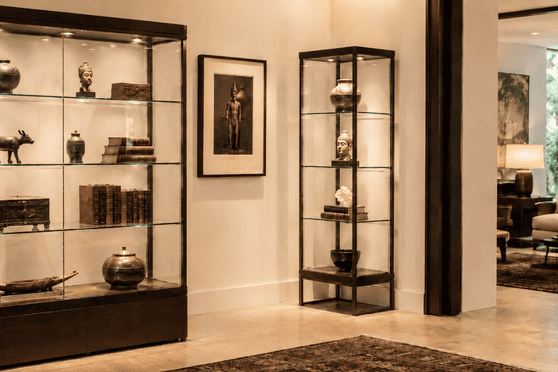 How to Create a True Collection Gallery at HomeRead more
A collection takes on an entirely new dimension when it stops being merely assembled and begins to be genuinely...
-
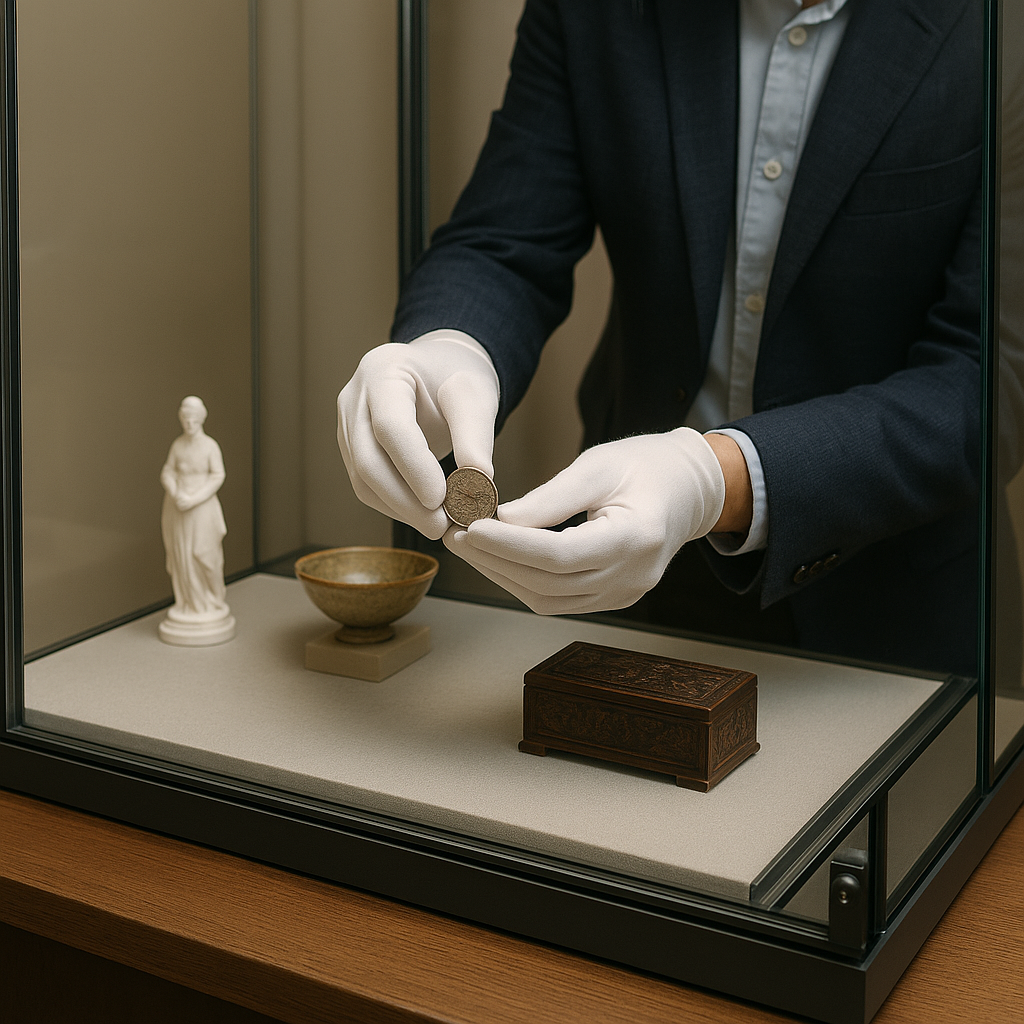 Mistakes to Avoid When Displaying Your CollectablesRead more
Displaying your collectables is a way of sharing your passion. However, presenting them poorly can quickly compromise...
-
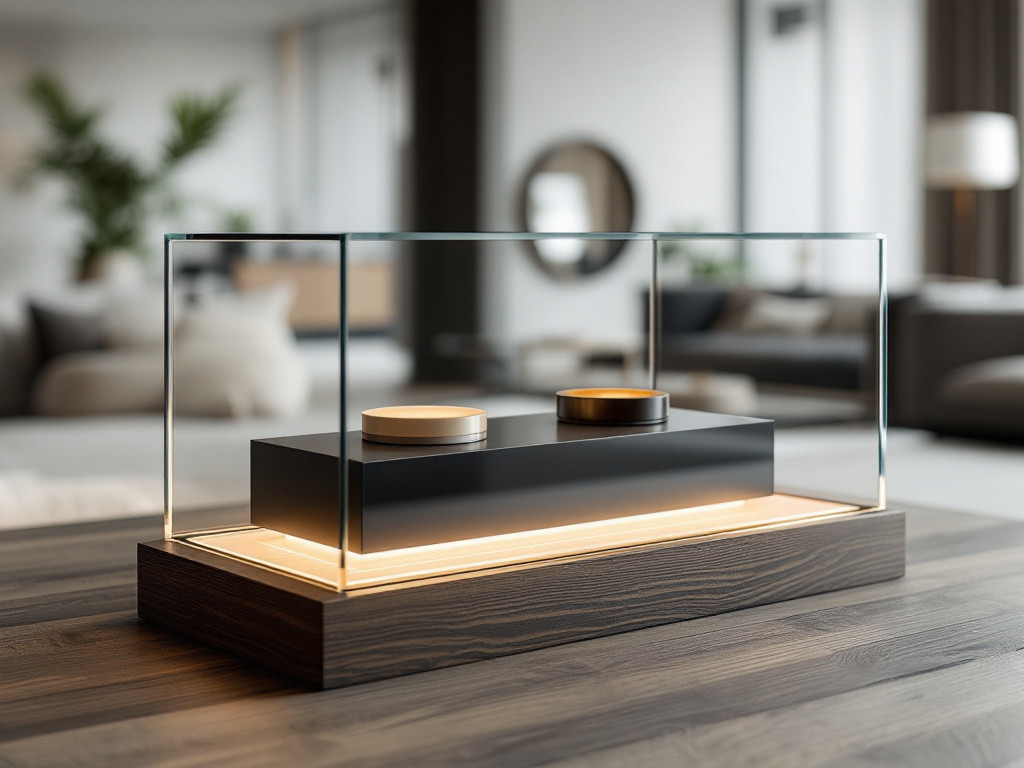 The Benefits of Plexiglas® for Preserving CollectablesRead more
Passionate collectors understand how essential it is to preserve both the value and appearance of their pieces....
-
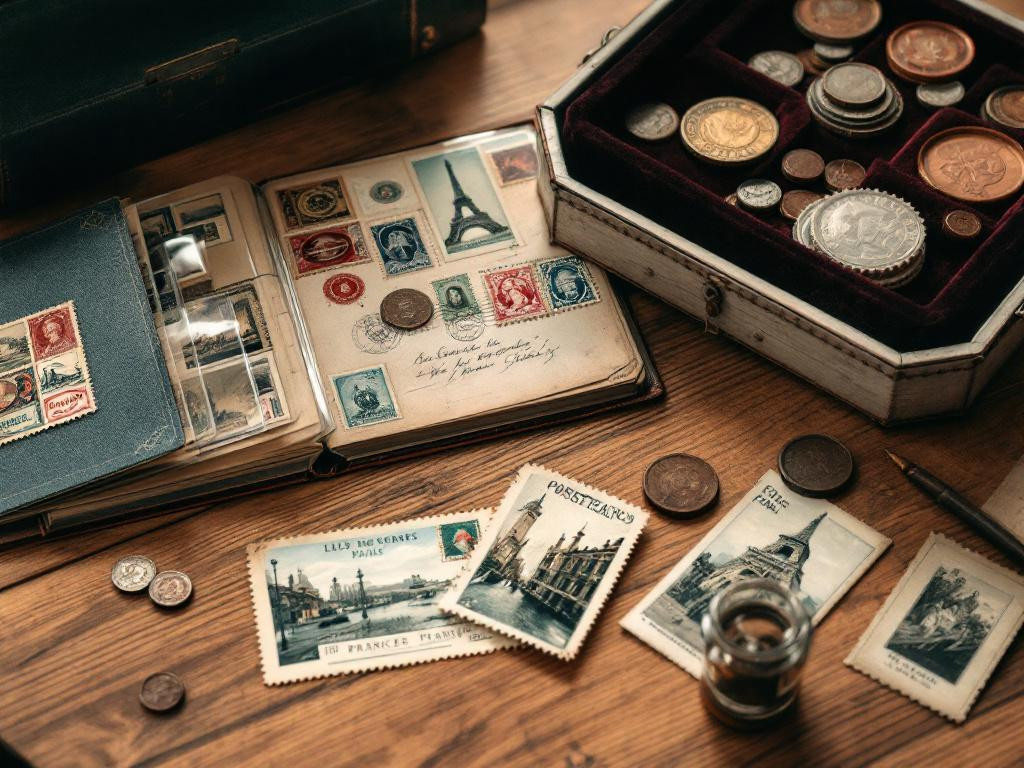 Collectibles around the world: passions by countryRead more
Stamps, figurines, jerseys, cards… Behind every collection, there is a story, a memory or a fascination. But did you...
-
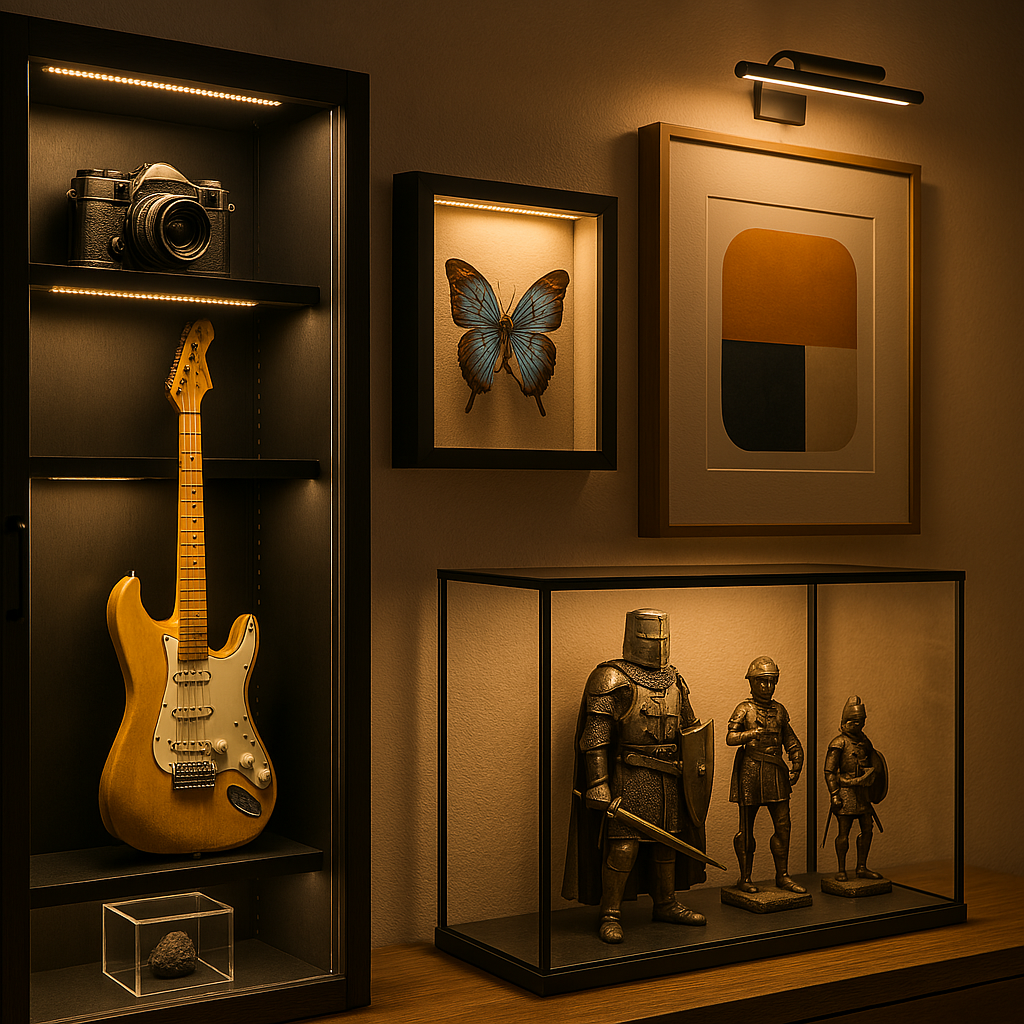 Choosing the ideal lighting to enhance and protect your collectibles.Read more
Collectibles are precious treasures that deserve special attention, and lighting plays a crucial role in their...
Blog categories
Search in blog
Archived posts
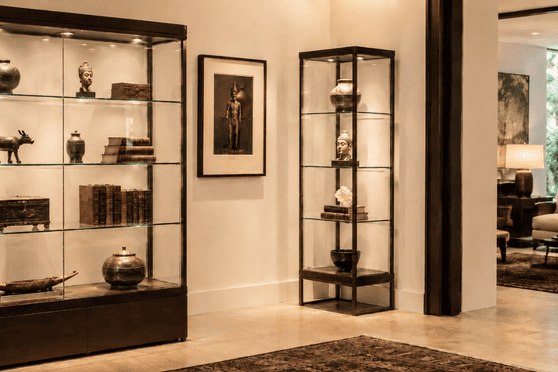
How to Create a True Collection Gallery at Home
A collection takes on an entirely new dimension when it stops being merely assembled and begins to be genuinely staged. The aim is not to recreate a museum in your living room, but to borrow a few simple principles from exhibition design: choosing what to show, guiding the eye, mastering the lighting and giving each piece the space it needs to stand out.
Creating a collection gallery at home therefore begins less with buying a piece of furniture than with thinking about how the objects will inhabit the space.
Start by considering the collection within the room
Before deciding how to arrange the objects, it is worth looking closely at the space that will accommodate them. A collection displayed in a study, library or living room will not interact with its surroundings in the same way. Ceiling height, sightlines from the entrance, the presence of windows, dominant colours and even everyday movement through the room all contribute to how the collection is perceived.
The best location is not always the most available wall. A private gallery often benefits from being placed where it can create a genuine focal point without interfering with the way the room is used. A display cabinet visible as soon as you enter can become an architectural feature in its own right. In another interior, a collection positioned slightly out of the way may instead offer a more intimate sense of discovery.
Natural light also deserves careful consideration. For sensitive objects, direct exposure to sunlight is rarely advisable. Preventive conservation guidance stresses that light damage is cumulative and that certain forms of deterioration, particularly fading, cannot truly be reversed. A beautifully lit room is of course still possible, but the lighting should be considered in relation to the nature of the objects on display.
Give the eye a clear point of entry
In a successful display, the eye does not take in everything at once. It first encounters a piece, a group or a silhouette that draws attention, before gradually exploring the rest of the collection.
This visual hierarchy is particularly useful when the objects vary greatly in size. An exceptional piece, a larger object or simply one that is especially representative of the collection can act as the focal point. It does not need to be the most valuable item. It may simply be the one whose shape, colour or history best encapsulates the collection as a whole.
Its position should then be considered carefully. Placed slightly apart, at a comfortable viewing height or surrounded by more space, it will naturally draw the eye without needing to be overlit or surrounded by decorative effects.
The gaze can then move towards secondary groupings. This creates a much more engaging visual journey than a succession of objects placed at regular intervals simply because there happens to be enough room left on the shelf.
Resist the temptation to display everything
This is probably one of the most effective changes to make when you want a collection to feel more like a gallery: accepting that not every piece needs to be visible at all times.
A large collection can lose impact when every available surface is occupied. The eye no longer knows where to settle, silhouettes overlap and remarkable pieces can paradoxically become less noticeable simply because they are surrounded by dozens of others.
Empty space is therefore not wasted space. It is part of the display.
Leaving a few extra centimetres around an object makes it easier to appreciate its outline, volume or material. On a shelf, it is often better to display three pieces with enough breathing room than six objects that technically fit into the available space.
This selective approach does not mean relegating the rest of the collection permanently. On the contrary, it makes it possible to imagine a display that evolves over time. Certain pieces can remain in the cabinet for a few months before giving way to others. This rotation refreshes the collector’s enjoyment while also being particularly relevant for materials that are sensitive to light, as reducing total exposure time is one of the strategies used in preventive conservation.
You may then rediscover your own collection much as you would revisit a new exhibition.
Work with height rather than lining everything up
A shelf made up entirely of objects positioned at the same level quickly begins to feel like storage. To create a genuine sense of staging, it is better to think in terms of volumes and visual planes.
A discreet plinth can raise a smaller piece positioned towards the back. A tall, slender object can create a vertical accent among lower forms. A particularly detailed piece may benefit from being brought slightly forward so that it can be viewed without obstruction.
Variation should nevertheless remain restrained. Multiplying supports at different heights can quickly turn the presentation into a decorative set. The objective is not to manufacture movement artificially, but simply to avoid a completely uniform line when the collection lends itself to something more dynamic.
It is also worth looking at the composition from several places in the room. An arrangement that appears perfectly balanced when viewed straight on may become confusing when seen from a doorway or from the sofa. In a home, unlike in a photograph, a collection is experienced while moving through the space. It therefore has several perspectives.
Seek coherence without forcing perfect symmetry
A collection often contains its own principles of organisation. A particular era, provenance, family of materials, colour palette or theme may be enough to create visual connections.
It is not always necessary to follow a strictly documentary classification. Two objects from very different periods may work beautifully together because they share a shape or tone. Conversely, an almost uniform group can become more interesting when a distinctive piece slightly interrupts the rhythm.
Symmetry may suit certain highly graphic collections, but it is not a rule. Asymmetrical balance often works better in a contemporary interior: one substantial piece on one side can be visually counterbalanced by several finer objects on the other.
Coherence therefore comes less from repetition than from the overall balance.
It is also important to consider what surrounds the collection. When the objects are already rich in colour, detail or texture, a relatively restrained background often gives them greater presence. A graphic or monochrome collection can, on the other hand, sit comfortably within a more assertive interior. The cabinet, wall, curtains, nearby artworks and furniture all contribute to the visual framework.
Use lighting as a tool for display
Good lighting is not about making everything as bright as possible. Its role is to make the objects easy to read, reveal their volumes and textures, and preserve a pleasant atmosphere.
Lighting that is too uniform tends to flatten shapes. Lighting that is too directional can create distracting reflections on glass, heavy shadows or areas of glare. Ideally, the intensity should be adjustable according to the objects and the atmosphere of the room.
Colour temperature also influences perception. A warmer light may complement certain woods, patinated metals or antique objects, while a more neutral tone may suit contemporary collections more effectively. There is no single formula to apply. The aim is to find a light that respects the true colours of the pieces rather than imposing an effect on them.
From a conservation point of view, intensity is not the only factor that matters: duration of exposure is important too. Cultural institutions therefore minimise unnecessary lighting wherever possible and, for sensitive objects, favour carefully controlled sources and limited display periods. At home, a far simpler approach is usually sufficient: avoid direct sunlight, do not leave display lighting on all day without reason, and adapt the display to the materials actually being shown.
Protect without hiding
The presentation of a valuable object cannot be entirely separated from its preservation. Dust, repeated handling, light, environmental fluctuations and accidental knocks can all leave their mark over time.
A display cabinet can therefore provide a genuine protective envelope. Professional conservation guidance specifically refers to cabinets and enclosed display spaces as useful ways of reducing dust deposition, handling and exposure to certain pollutants.
It is important, however, not to search for a single environmental rule that can be applied to every collection. Paper, textiles, metals, wood, photographs, archaeological objects and organic materials do not react in exactly the same way. Contemporary preventive conservation guidance increasingly favours an approach based on the actual sensitivity of the materials and the risks to which they are exposed. For a particularly rare, old or fragile piece, advice from a professional conservator-restorer remains preferable to improvised solutions.
This requirement also explains the value of display cabinets designed from the outset around presentation and protection, rather than asking an ordinary piece of furniture to fulfil that role afterwards.
At Cœur de Collection, display cabinets are designed as cases that integrate naturally into the interior, with French artisanal manufacture, protection against dust and UV, and adjustable LED lighting intended to enhance the objects on display. The principle remains the same: protection should serve the collection without visually coming between the viewer and the object.
Move from storage to scenography
The difference between a cabinet filled with objects and a genuine private gallery ultimately comes down to a succession of relatively simple decisions.
Choose what deserves to be shown today. Decide which piece should receive the first glance. Create space around the objects. Vary heights subtly. Look at silhouettes and sightlines. Remove one piece when the display becomes too dense. Adjust the lighting. Then look at the composition again from the other side of the room.
This final step is probably the most important. A successful display is rarely achieved in a single attempt. Moving an object by a few centimetres, removing one element or swapping two groups around can sometimes make the entire composition feel much more natural.
The collection can then find its place within the interior without becoming a fixed decorative set. It can evolve with new acquisitions, the seasons or simply changing tastes, while retaining enough structure never to feel like a mere accumulation.
A private gallery that remains deeply personal
Drawing inspiration from museums or galleries does not mean reproducing their codes exactly. A private collection possesses something institutions cannot replicate: an intimate relationship between the objects, their owner and the place in which they live.
The success of the display therefore lies in this balance. Enough rigour for each piece to be properly seen, enough restraint for it not to disappear into the staging, sufficient protection to preserve it, and enough freedom for the whole collection to continue saying something about the person who built it.
A beautiful collection gallery is ultimately not the one that displays the most. It is the one in which every object seems to have found its rightful place.
Posted in:
Display Cabinet Tips
Related posts
-
Choosing the ideal lighting to enhance and protect your collectibles.
Collectibles are precious treasures that deserve special attention, and lighting plays a crucial role in their...Read more
-
Collectibles around the world: passions by country
Stamps, figurines, jerseys, cards… Behind every collection, there is a story, a memory or a fascination. But did you...Read more
-
The Benefits of Plexiglas® for Preserving Collectables
Passionate collectors understand how essential it is to preserve both the value and appearance of their pieces....Read more
-
Mistakes to Avoid When Displaying Your Collectables
Displaying your collectables is a way of sharing your passion. However, presenting them poorly can quickly compromise...Read more
-
The Centrepiece of a Collection: How to Give It the Presence It Deserves
There is always one object in a collection that means just a little more than the others. The challenge is knowing...Read more
Leave a comment