There is always one object in a collection that means just a little more than the others. The challenge is knowing...
Latest posts
-
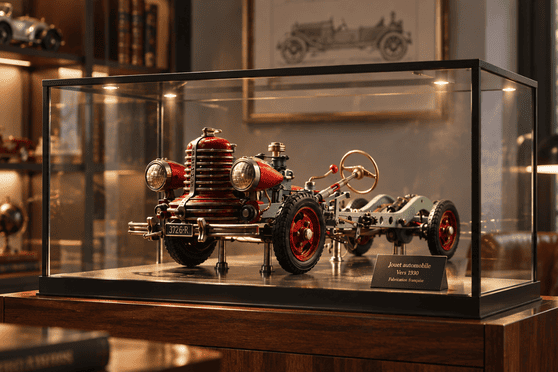 The Centrepiece of a Collection: How to Give It the Presence It DeservesRead more
 -
 How to Create a True Collection Gallery at HomeRead more
A collection takes on an entirely new dimension when it stops being merely assembled and begins to be genuinely...
-
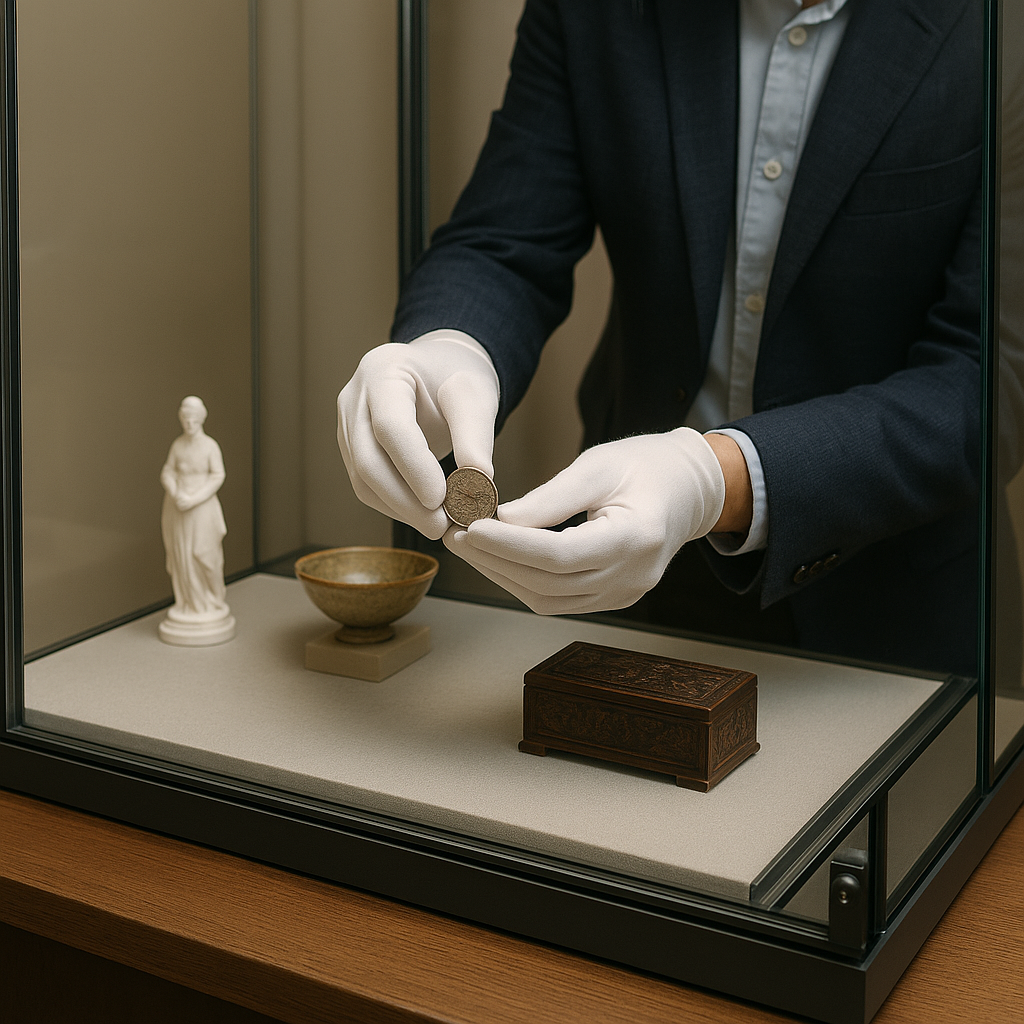 Mistakes to Avoid When Displaying Your CollectablesRead more
Displaying your collectables is a way of sharing your passion. However, presenting them poorly can quickly compromise...
-
 The Benefits of Plexiglas® for Preserving CollectablesRead more
Passionate collectors understand how essential it is to preserve both the value and appearance of their pieces....
-
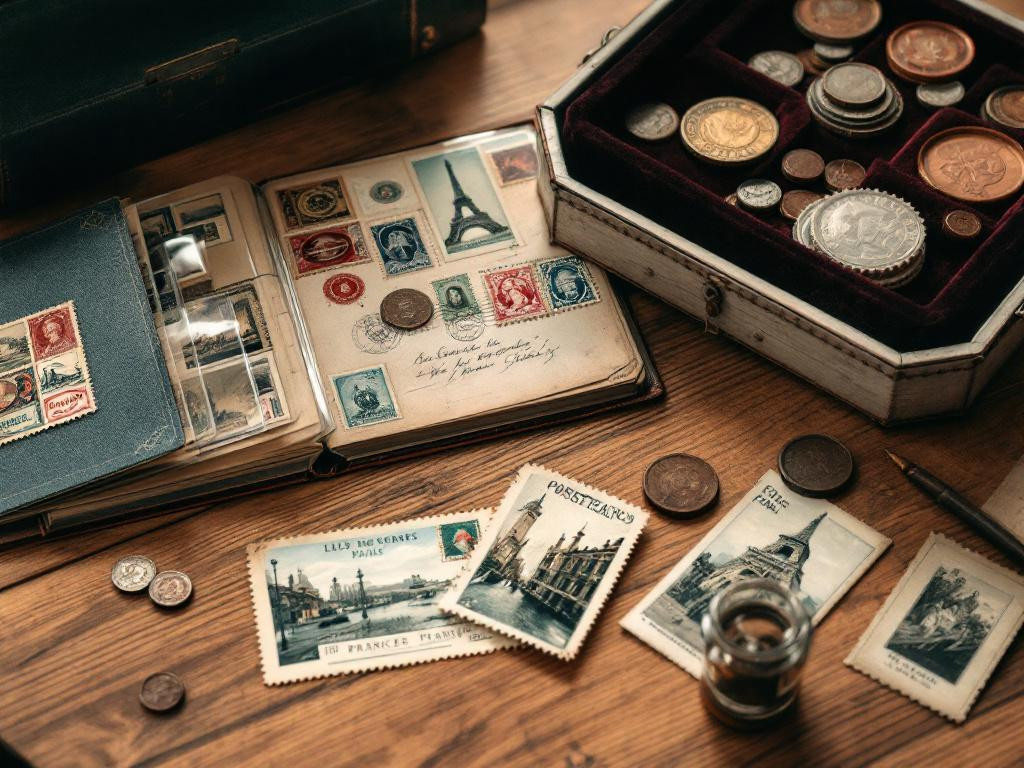 Collectibles around the world: passions by countryRead more
Stamps, figurines, jerseys, cards… Behind every collection, there is a story, a memory or a fascination. But did you...
-
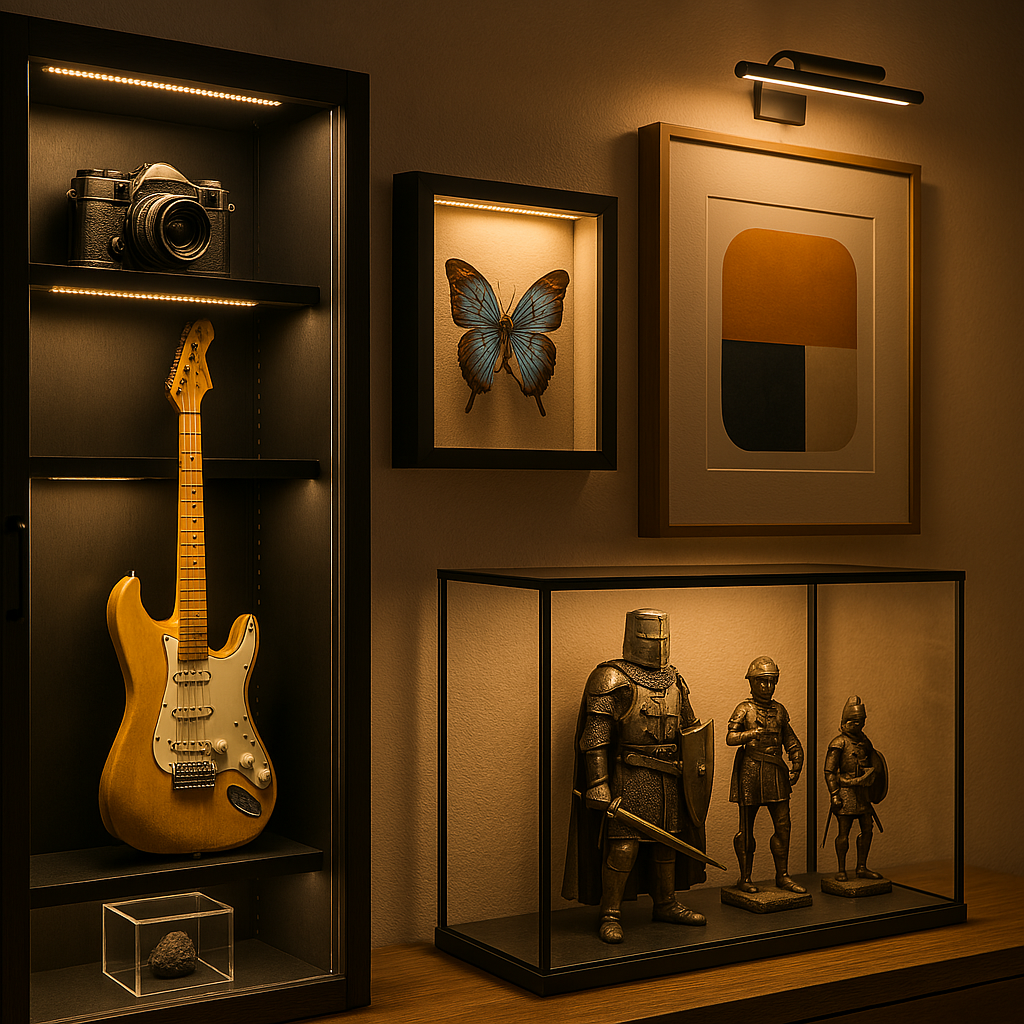 Choosing the ideal lighting to enhance and protect your collectibles.Read more
Collectibles are precious treasures that deserve special attention, and lighting plays a crucial role in their...
Blog categories
Search in blog
Archived posts
Collectibles around the world: passions by country
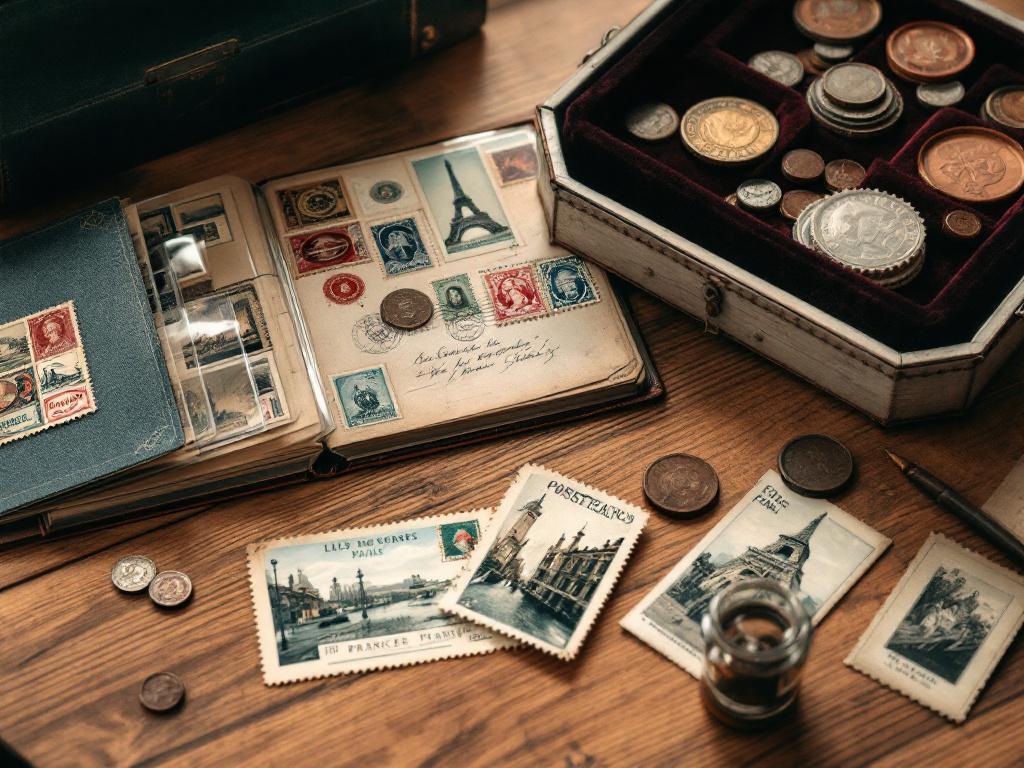 In Europe, collections often reflect history, heritage or an attachment to certain cultural symbols. In France, for example, stamps and coins have long been among the most collected items. Many people keep them for their historical value, but also for their aesthetic appeal. There are also many enthusiasts of old postcards, especially those from the early 20th century.
In Germany, railway modelling has a very strong following. Model trains, often by Märklin, are a passion passed down from generation to generation. Figurines of soldiers or military vehicles are also very popular, in a country where historical memory holds a particular place.
In Italy, football-related objects are especially successful. Panini stickers, particularly those from World Cups, are almost a rite of passage for young collectors. Older fans sometimes turn to signed football shirts or tickets from legendary matches.
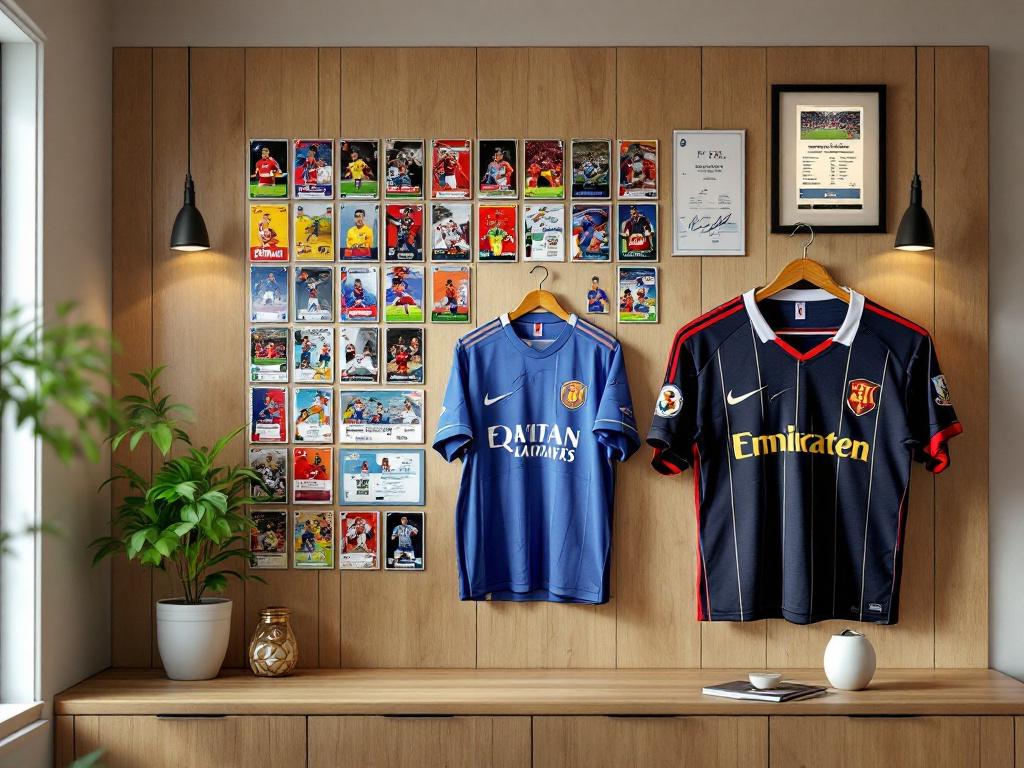 In the United States, collecting culture is everywhere. Many households own collections of comics, baseball cards or vintage toys such as G.I. Joe figures or Barbie dolls. Geek culture has also helped drive the rise of Funko Pop!, the figurines representing characters from films, series and video games.
In Brazil, football-related objects are often the most popular. Club shirts, signed footballs and posters of legendary players such as Pelé or Ronaldo are highly prized items. The collecting of bottle caps, very widespread in the 1990s, is also gradually coming back into fashion.
In Canada, there is a double influence: European and American. Canadians collect coins, stamps, but also hockey cards, linked to the country’s national sport. Many enthusiasts also have a particular fondness for old objects found at flea markets: vintage tableware, advertising posters or old books.
Posted in:
Display Cabinet Tips
Related posts
-
Choosing the ideal lighting to enhance and protect your collectibles.
Collectibles are precious treasures that deserve special attention, and lighting plays a crucial role in their...Read more
-
The Benefits of Plexiglas® for Preserving Collectables
Passionate collectors understand how essential it is to preserve both the value and appearance of their pieces....Read more
-
Mistakes to Avoid When Displaying Your Collectables
Displaying your collectables is a way of sharing your passion. However, presenting them poorly can quickly compromise...Read more
-
How to Create a True Collection Gallery at Home
A collection takes on an entirely new dimension when it stops being merely assembled and begins to be genuinely...Read more
-
The Centrepiece of a Collection: How to Give It the Presence It Deserves
There is always one object in a collection that means just a little more than the others. The challenge is knowing...Read more
Leave a comment